Getting into a car accident in Miami can throw your whole day into chaos. It only takes a few seconds for everything to change. In that confusion, grabbing your phone to take pictures may not be the first thing on your mind, but it can make a big difference later. Photos can give clear details about how the crash happened, what the damage looks like, and help fill in the pieces if there are questions down the road. A motor vehicle accident lawyer will often review those images when putting together what happened. At The Beregovich Law Firm, these cases can involve everything from collisions at busy Miami intersections to crashes in parking lots or on crowded highways across Florida. Without them, key details could fade or get lost.
Why Photos Matter Right After a Crash
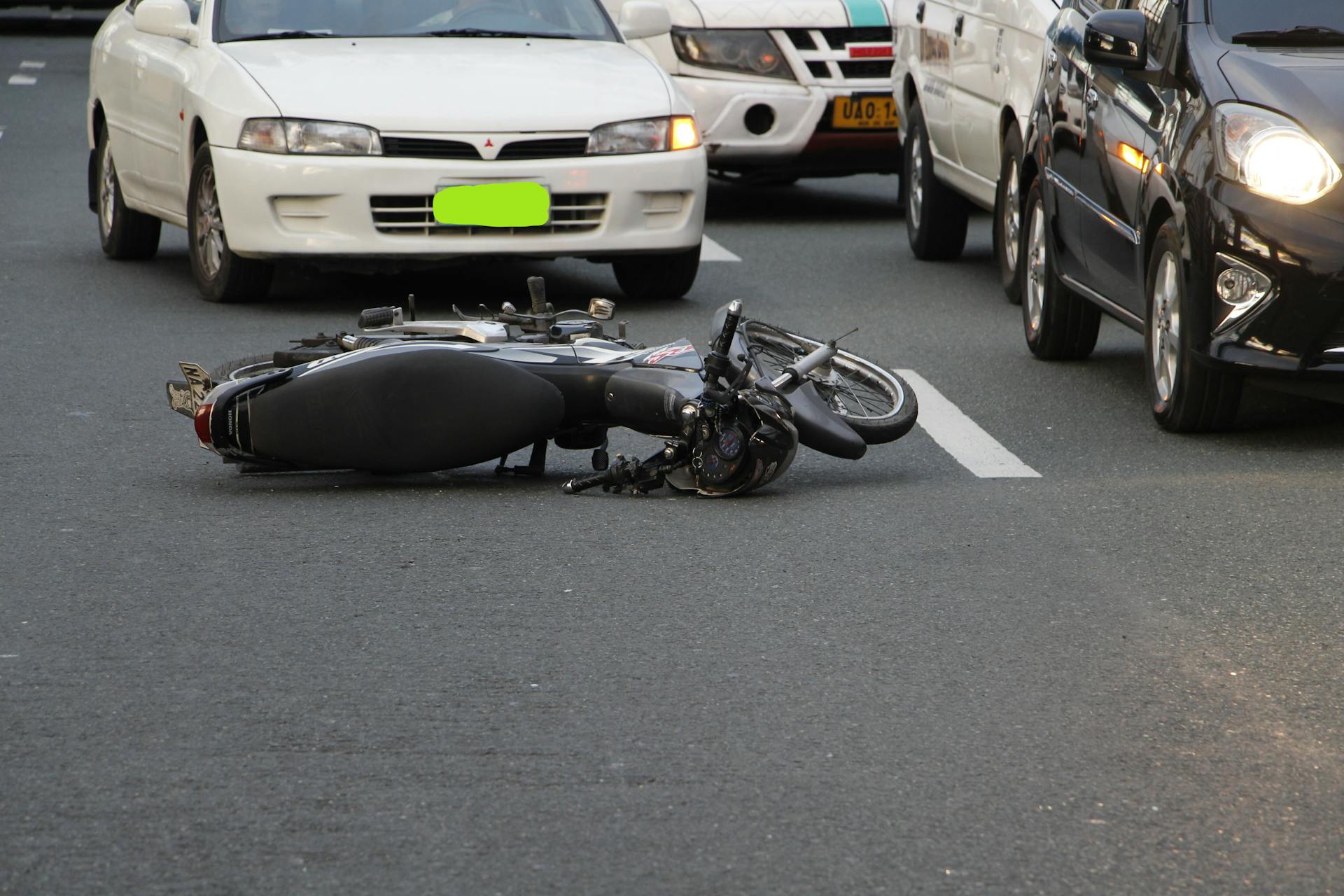
The moments right after a crash are hectic. Emotions are high. But that’s also when the scene is at its most honest. Taking pictures early captures things just as they are. That includes how the vehicles look, where they stopped, and anything around that might explain what caused the crash.
Photos can catch small but important clues that people forget or overlook later. Skid marks, broken curbs, or blocked signs might not seem major at the time, but they can help paint a clearer picture.
Here are a few reasons why fast photo-taking can be helpful:
- They show how the cars were positioned right after the accident
- They capture stuff like road debris, fallen signs, or spilled fluids
- They keep a visual record that won’t change over time
Even honest memories can change with time. Clear photos help back up what you saw or said early on, especially if another driver remembers things differently later.
What Kinds of Photos Can Make a Difference
Not every photo helps the same way. The kind of pictures taken after a crash can matter just as much as when they’re taken. Wide shots of all the vehicles in one frame are helpful, but so are close-ups of marks or damage. Both types help show the big picture and the little details.
Some photos that may help include:
- Close-up shots of dents, broken glass, and scratches on every car involved
- Wide shots of the scene with traffic lights, signs, or intersections clearly visible
- Pictures of any injuries, like bruises or cuts, while still fresh
- Any damage to objects nearby like fences, poles, or sidewalk barriers
- Evidence of how weather or lighting looked at the time of the crash
Including shots from more than one angle lets anyone viewing later get a stronger feel for what happened. Simple things like the shadow cast on a stop sign or a puddle near a tire can sometimes make a difference.
How Timing and Lighting Affect the Photos
Not all photos are equal, especially when taken in poor lighting or long after the crash. The best shots often come right after the accident, while everyone is still on scene and nothing has been moved. Natural sunlight is best, but flash can help when needed. If it’s starting to get dark, turning your phone’s flashlight on or using headlights for extra light can help capture useful detail.
The longer someone waits, the higher the chance things get cleaned up or changed. Tow trucks move cars. Debris gets swept away. If someone has photos taken right away, it’s easier to compare them with reports and witness stories.
A few things that affect photo quality:
- Daylight usually shows colors and damage better
- Night photos can work, but it’s easier for things to be blurry or missed
- Taking photos sooner means fewer details will slip away or get cleaned up
Photos taken at the scene right after the incident hold power. They become part of the timeline and help cut through confusion when accounts don’t match.
Keeping Photos Organized for Future Use
Once photos are taken, they’re only helpful if they stay easy to find. With so many pictures stored on phones these days, it’s easy for crash photos to get buried among everyday ones. Naming them or saving them in their own folder can keep things simple later.
Think of it like prepping for questions down the line. Having details ready avoids scrambling if they come up.
Here are some ways to keep photo records clean and easy to understand:
- Create a folder labeled with the date and accident location
- Add short notes to photos explaining what they show (for example, “passenger side dent” or “intersection sign position”)
- Back up the photos on another device or cloud storage in case the phone is lost
- Include pictures of medical bills or paperwork, if related to injuries shown in the photos
These organized records can support what someone remembers and give a clear base if others ask for proof or need help understanding the situation. A motor vehicle accident lawyer might find these especially helpful for figuring out the full order of events in a practice focused on representing people harmed by negligence in motor vehicle crashes.
Seeing the Bigger Picture Through the Lens
Car accidents can bring up a lot of stress and unanswered questions. Taking clear, timely photos can’t stop the accident, but it can help make what happened easier to explain later. Pictures taken right after a crash keep the facts fresh. They show what really happened, not just what people say later.
By using those images to fill in the story, families can feel more prepared if questions come up about who was at fault or what caused the collision. Especially in a city like Miami, where traffic can move fast and accidents happen in a flash, using simple photos to hold on to the truth can make a big difference.
After a collision in Miami, FL, the photos and details you gather can play a crucial role in your case. A motor vehicle accident lawyer can use your documentation to help clarify what really happened. At The Beregovich Law Firm, we listen closely and guide families through the legal process following a crash. Contact us today to discuss your situation.